 1578 Reviews

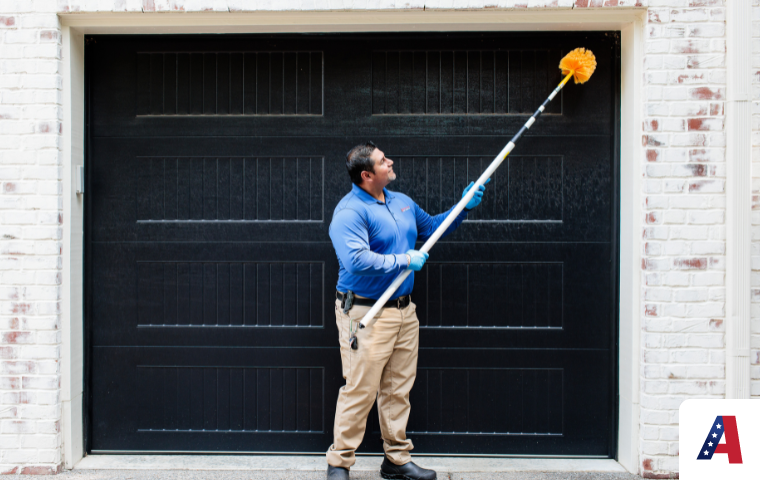


Summer is here! The sun is shining, the flowers are blooming, and it’s starting to get really hot. Oh, and if your house is like many Tennessee homes, you’ve probably started to notice a lot of wasp activity around your yard. Wasps are a common seasonal concern, so it’s not out of the ordinary to see them flying around your eaves, porch, shed, or roofline as the temperature rises. However, that doesn’t mean you want to have to deal with them all summer.
Early summer is one of the busiest nesting times for wasps as queens establish their nests, lay eggs, and build their colony. Wasps often set up shop near homes because these areas offer everything wasps need to thrive. Thankfully, knowing what attracts wasps means you can take steps to reduce nesting activity around your property. Find out how with All-American Pest Control’s helpful guide to wasp activity and nesting.
Why Do Wasps Become More Active in Early Summer?
Most wasps die off in the fall, but queens find a spot to shelter, go dormant through the winter, then reemerge in the spring, ready to start a new colony. Their first order of business is to find a suitable place to build a nest so they can start laying eggs.
As soon as that first generation of eggs hatches and matures, the new worker wasps take over building the nest and caring for the young. The longer daylight hours of late spring and early summer, coupled with warmer temperatures, support rapid colony growth, leading to a sharp increase in activity at this time of year.
Why Are Homes the Perfect Place for Wasp Nests?
Why do queen wasps so frequently choose houses as their nesting sites? Most homes offer the perfect accommodations for a wasp colony to thrive. When choosing a nesting site, queen wasps look for a space that provides protection from rain, wind, and predators while creating the stable conditions needed for their growing colonies. They are likely to build in the following areas:
-
Eaves and roof overhangs
-
Porch ceilings
-
Attic vents
-
Garages and sheds
-
Decks and covered patios
What Food Sources Around Your Property Attract Wasps?
In addition to looking for ideal accommodations, queen wasps also keep the local food supply in mind. They need to choose a place where their workers will easily be able to find food for themselves, the queen, and the young. If you look around your property, you may not see a plentiful food supply, but a queen wasp likely sees a treasure trove.
Possible food sources around your yard include:
-
Outdoor garbage containers
-
Compost piles
-
Pet food bowls
-
Outdoor dining areas
-
Sugary drinks and spills
-
Hummingbird feeders
-
Flowering plants and gardens
Easy access to food supplies not only encourages queen wasps to build their nests on your property, but also encourages the colony to stay close to your property all season long.
Why Do Some Homes Get More Wasp Nests Than Others?
Maybe you’re one of the lucky few who never see wasps around your property. Or maybe you’re one of the ones who ends up with multiple nests in various locations around your home. What makes some properties more attractive to wasps than others? There are a variety of environmental factors that will attract more wasps to your property. They include:
-
Having mature landscaping
-
Nearby water sources
-
Dense vegetation
-
Abundant insect populations
-
Properties with multiple sheltered nesting locations
Where Should Homeowners Look for Early Wasp Nests?
The best time to address the wasps on your property is early in the season when they haven’t had a chance to grow their colony to its full number. If you make a point to conduct frequent inspections at this time of year, you can avoid bigger problems with wasps in mid and late summer.
While looking for wasp nests, focus on:
-
Rooflines
-
Porch ceilings
-
Window frames
-
Attic vents
-
Sheds
-
Play structures
-
Outdoor furniture
-
Fences and railings
Keep in mind that early-season nests are often small, so you shouldn’t look for the large nests you’re used to seeing in late summer.
What Happens If a Wasp Nest Is Left Alone?
Let’s say you’ve discovered a wasp nest hanging from your eaves. It’s relatively high, so you know your children won’t accidentally upset it. What would happen if you just left it alone?
Although in early summer, you may not have many issues, the wasp activity is only going to increase as the summer goes on. Wasp colonies develop throughout the summer, with rapid growth in early and mid-summer. As the worker population increases, the nest will grow and activity around your yard will continue to get worse and worse. This leads to a greater chance of accidental encounters around your doors, porches, decks, and outdoor gathering spaces.
How Can You Make Your Property Less Attractive to Wasps?
When you understand why wasps choose the places they do to nest, you can take measures to make your property less attractive to them. By removing or reducing the things that make them more likely to nest around your home, you’ll make it less likely that they’ll choose your property.
Reduce attractants by:
-
Keeping garbage containers sealed
-
Cleaning outdoor eating areas promptly after meals
-
Removing food residue
-
Managing compost properly
-
Trimming overgrown vegetation
-
Removing dead wood where appropriate
Getting into a routine of simple maintenance can go a long way in reducing the number of wasps that try to nest around your yard.
How Can You Prevent Wasps From Nesting Around Your Home?
Besides reducing attractants, you can also take preventative measures to limit the number of wasps around your property. Be proactive by:
-
Sealing gaps around siding and soffits
-
Repairing damaged screens
-
Addressing openings around rooflines and vents
-
Conducting seasonal property inspections
-
Monitoring common nesting areas during spring and early summer
Prevention is often easier than dealing with an established colony later, so taking the time in spring and early summer to implement some prevention strategies can save you a lot of headaches later in the summer.
When Should You Call a Professional for Wasp Control?
When are wasps a nuisance and when do they require professional intervention? That can depend on a variety of things, including your personal comfort level, but there are certain situations that warrant a call to All-American Pest Control. These include:
-
Finding nests near entryways or heavily used outdoor areas
-
Seeing multiple nests on your property
-
Identifying large or difficult-to-reach nests
-
Recurring wasp activity year after year
-
Having family members with sting allergies
A professional wasp treatment can help address active nests while identifying conditions attracting wasps to the property, taking care of both current and future issues.
Call All-American for Your Wasp Control Issues
If you’ve seen increased wasp activity around your home this season, get in touch with All-American Pest Control. Tackling the nest yourself can be dangerous and ignoring it will only allow the problem to grow. By scheduling your free home evaluation, you can get the help you need to identify nesting risks, address active colonies, and prevent larger wasp problems as summer progresses. Get in touch with us today.
Your Trusted Nashville, TN Pest Control Experts
Since 1961, All-American Pest Control has been your go-to team of trusted pest experts for homes, businesses, and home builders throughout Nashville and Middle Tennessee. Our expert team offers termite treatments, mosquito reduction, rodent removal, ant and spider control, and wasp nest removal—keeping your property protected year-round. As a local, family-owned company, we take pride in offering reliable, professional pest solutions with outstanding customer service.
We proudly serve: Lewisburg, Chapel Hill, Cornersville, Petersburg, Archer, Beasley, Belfast, Berlin, Caney Spring, Cochran, Delina, Farmington, Graball, Holts Corner, Lunns Store, Milltown, Mooresville, Rich Creek, Robertson Fork, Silver Creek, South Berlin, Verona, Yell, and the surrounding areas.
For trusted pest control in Nashville, TN, and these surrounding communities, contact All-American Pest Control today! Call (615) 824-8814 or Schedule a Free Consultation online.