 1585 Reviews

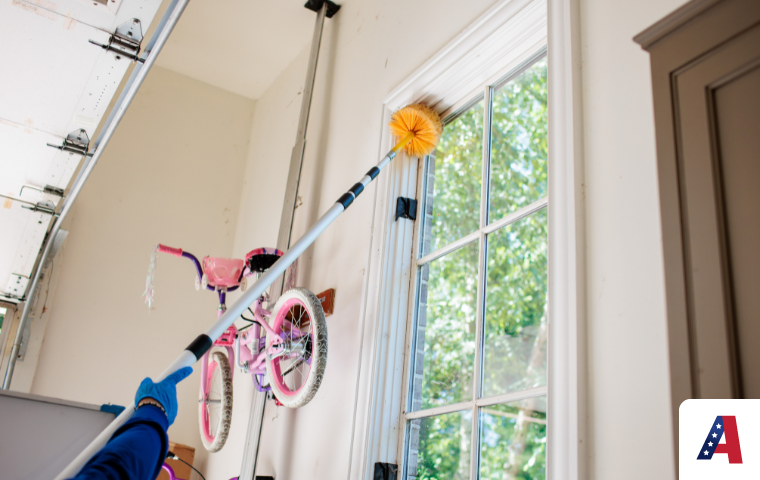


Picture this: you walk into your kitchen bright and early on a mission for coffee. You switch on the light and there is a spider…eeek! And another one, and another! Then you notice a web in the corner that you swear was not there yesterday. How? Why? Help! If any of this is familiar, you are not alone. Spiders are one of the most common pests to get into Tennessee homes, and spring is one of their busiest times of year.
When the temperature warms up, spiders become way more active than they were in the winter. The ones that were quietly waiting in secluded spots in your house and the ones that survived somewhere outdoors start moving around in search of food and shelter. This means that they often get into your house during their travels.
All-American Pest Control gets a lot of phone calls from concerned homeowners each spring, so we’re here to answer your questions and alleviate your fears about seasonal spider activity in your home.
Why Do Spiders Become More Active in Spring?
Spiders become more active in the spring for several reasons. First, the weather is more conducive to spider activity. They don’t do well in the cold temperatures of winter, but once it starts to get warmer in the spring, spiders are eager to get moving.
Spring is also a peak hunting period for spiders. They tend to be hungry after a lean winter, so they become more active as they move around looking for food. This makes it far more likely that you’ll see them in open areas around your house.
How Does Increased Insect Activity Attract Spiders Indoors?
Spiders aren’t the only pests that become more active in the spring. Nearly all of the insects that we get a break from each winter start to move around and reproduce as the temperature starts to rise. Ants, flies, moths, and other insects all become active, looking for food and shelter. It's simple, really. Sspiders go where the food is, and right now, your home might be looking like a pretty great restaurant.
If ants or other insects get into your house in the spring, spiders are sure to follow. The more insects in your home, the more spiders you’re likely to find. Your kitchen, basement, and entryways are likely to become the hunting zones of hungry spiders, so don’t be surprised if webs start showing up in various corners of your house as they do their best to catch their dinner.
How Do Spring Weather Changes Push Spiders Inside?
Spring is marked by warmer temperatures, which are instrumental in increasing spider activity, but the temperature isn’t the only thing about spring weather that pushes spiders inside.
Spring is also known for its heavy rainfall. If storms move through or flooding occurs, spiders seek out a stable, dry space to survive. This often drives them indoors.
The weather can also change suddenly in the spring. One day is warm and sunny, while the next is cool and wet. Temperature swings are often responsible for pushing spiders into Tennessee houses because they can find protection from the elements indoors.
Where Do Spiders Hide Once They’re Inside?
Although they’re likely to be spotted while moving around, spiders usually find a place where they can hide out of sight in order to safely shelter. There are many areas in your home that offer the quiet protection that spiders look for. These areas include:
-
Basements
-
Attics
-
Crawl spaces
-
Corners of ceilings and walls
-
Behind furniture
-
Storage areas
When spiders look for shelter, they have a list of priorities, much like you probably did while searching for your house. Unlike your list of a roomy pantry, full-sized tub, and vaulted ceilings, spiders look for shelter in dark spaces, low traffic, and undisturbed environments.
How Are Spiders Getting Into Your Home?
Now you know why spiders get into your home in the spring and where they’re likely to show up, but you might still be wondering how they get inside in the first place. After all, you have screens on your windows and you’ve finally gotten your kids to shut the door when they come inside, so what chance do spiders have?
Unfortunately, spiders don’t need a big opening to make their way indoors. They can squeeze through any small hole they find to get inside your house. Some of the most common entry points for spiders are:
-
Gaps around windows and doors
-
Holes or tears in screens
-
Cracks in foundations or siding
-
Openings around vents and utility lines
-
Gaps in door sweeps
Are Spiders Dangerous or Just a Nuisance?
It’s common for people to be afraid of spiders. Even if you know the spider you see is harmless, you still might not want it in your house. That said, it can help if you are able to remind yourself that most spiders are just a nuisance. They don’t spread diseases or damage your house, and they’d much rather leave you alone than get anywhere near you.
Some spiders bite if they feel threatened. Most spider bites are relatively harmless, but they still might hurt. Tennessee is also home to brown recluse spiders, which deliver venomous bites, so you should be aware of those spiders and know how to identify them.
The biggest problem with spiders is that if you start seeing them frequently or in large numbers, it’s a signal that other pests are in your house. Depending on the species and the situation, these other pests could be problematic.
What Does It Mean If You Keep Seeing Spiders?
It’s not unusual to see a spider in your house now and then. It’s not even unusual to see an increase in spider activity in your house in the spring. However, there are several things to look for that could signal a problem.
If the spider sightings remain consistently high, it’s a sign that other issues are at play. Spiders are unlikely to remain active in your house if they can’t find what they need to survive, so if you see a lot of spiders or consistent activity, you likely have other pests in your house that are giving spiders a steady food supply.
It’s also possible that if spiders keep showing up in your house despite your efforts to remove attractants, you might have entry points that you’re unaware of. Spiders might be getting inside through a small opening you don’t know about. Although they may not stick around if they can’t find food, they’ll keep showing up if you don’t find and seal the entry point.
How Can You Reduce Spider Activity Inside Your Home?
The good news is that there are plenty of things you can do to make it less likely that spiders will move into your house. Preventing spiders takes some work, but it is possible. Try these spider prevention tips:
-
Dust corners and ceilings regularly
-
Vacuum under furniture
-
Remove webs as soon as you find them
-
Seal cracks and gaps in your foundation and siding, and around doors and windows
-
Repair screens
-
Install proper door sweeps
-
Control ants and other insects
-
Eliminate food sources
-
Switch to yellow outdoor lighting
-
Reduce insect attraction near entry points
When Should You Call Professional Pest Control for Spiders?
If the spider activity in your house seems unnaturally high, give the pros at All-American Pest Control a call. We’ve been dealing with spiders for decades, so we can help you determine what’s normal seasonal spider behavior and what signs might indicate a problem. Some of those signs include:
-
Seeing spiders daily or in large numbers
-
Finding new webs that return quickly after cleaning
-
Suspecting other pest activity
-
Noticing spiders in multiple rooms
-
Trying DIY methods without positive results
Professional spider control services address both spiders and their food source, so you kill two birds with one stone. Not only do you get rid of the spiders you’ve been seeing, but you also can rest assured that other pests are taken care of as well.
Ready to Stop Spring Spider Activity Before It Gets Worse?
In addition to implementing our spider prevention tips, spring is the perfect time of year for a professional pest inspection. With pest activity increasing with each warm day, you can keep your house spider-free by scheduling an inspection, sealing entry points, and getting professional pest control to address underlying insect problems. Controlling spiders starts with controlling what attracts them. Let All-American’s team of experts help you identify and address spider attractants and entry points around your Tennessee home today.
Dependable Pest Control in Nashville, TN & Nearby Neighborhoods
Since 1961, All-American Pest Control has been your go-to team of trusted pest experts for homes, businesses, and home builders throughout Nashville and Middle Tennessee. Our expert team offers termite treatments, mosquito reduction, rodent removal, ant and spider control, and wasp nest removal—keeping your property protected year-round. As a local, family-owned company, we take pride in offering reliable, professional pest solutions with outstanding customer service.
We proudly serve: West End Heights, Bellevue, Brick Church, Charlotte Park, 12 South, Belmont, Burton Hills, Donelson, Edgehill, Ensworth, Hillsboro Village, Hillsboro West End, Melrose, Music Row, Radnor, Shelby Park, Sylvan Park, The Nations, Wedgewood Houston, West Nashville, Whites Creek, and the entire Davidson County and Greater Nashville areas.
For trusted pest control in Nashville, TN, and these surrounding communities, contact All-American Pest Control today! Call (615) 824-8814 or Schedule a Free Consultation online.